
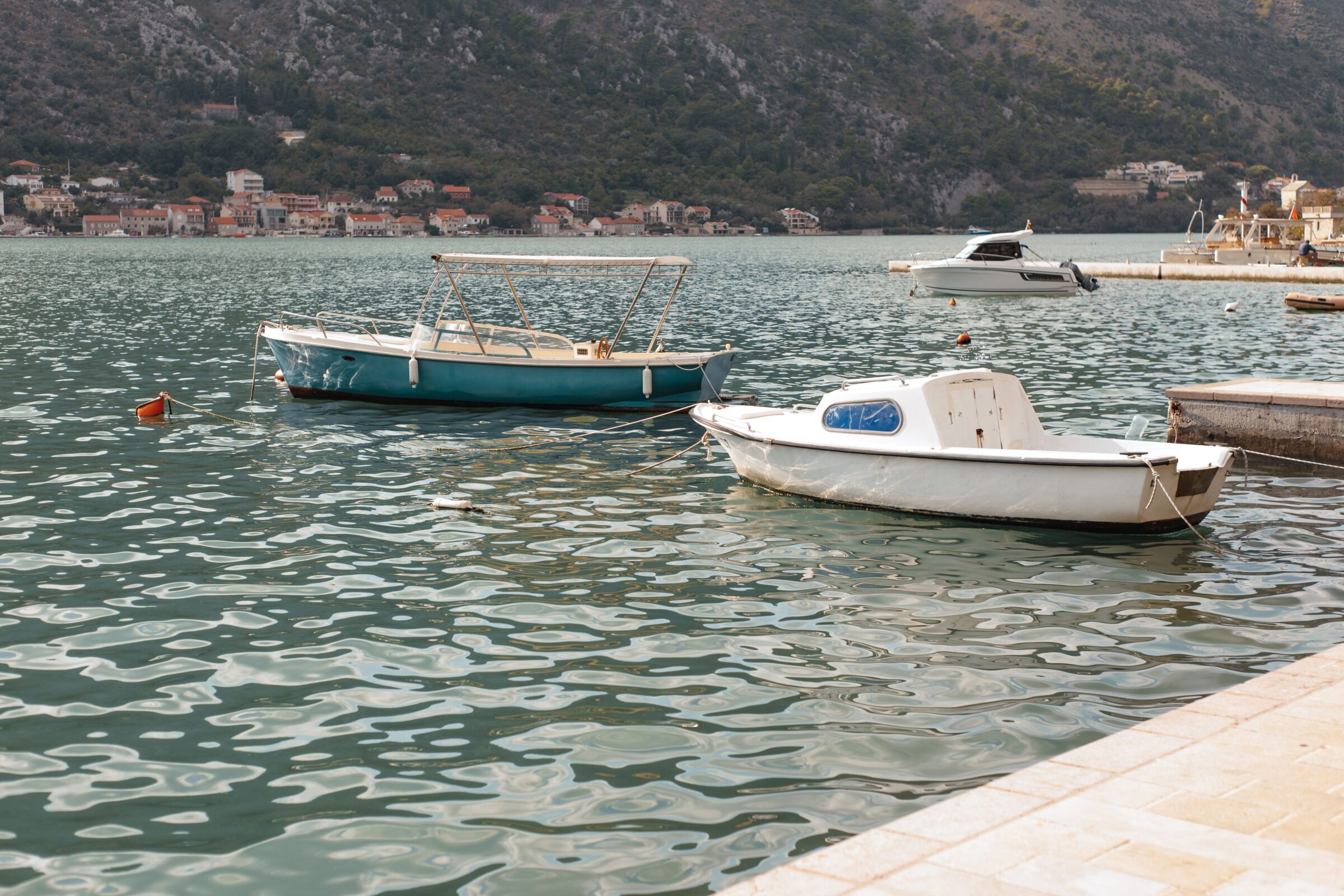
Organising Information for a Coastal Itinerary
Gathering routes, stops and reservations in an orderly way does not replace navigation instructions: it is the preparatory work that makes an itinerary readable and shareable.

Read also the Italian version: Organizzare le informazioni per un itinerario costiero
Table Of Content
A coastal itinerary is more than a line drawn on a chart: it is a set of information that must be complete, up to date and easy to consult when needed. Organising this material well is not navigation, but the preparation that makes it calmer. This article describes how to structure routes, stops, reservations and operational notes into a usable format, with no claim of replacing official navigation publications and tools.
Define the itinerary structure
The first step is to settle legs and priorities: which places to visit, in what order, with which alternatives should conditions turn unfavourable. For each leg it helps to note approximate distance, estimated times for your vessel, and where the official information lives: charts, guides and current publications. This outline becomes the backbone of the plan.
Collect mooring and service data
For every stop, useful items are addresses and contacts of berthing points, depths and hazards as stated in official sources, shore services and distance from town. Recording local useful numbers and contact procedures also helps manage the unexpected. The value lies in order: a single document or notebook where any leg is findable in seconds, even offline.
Leave room for decisions on the water
The information gathered is a set of hypotheses to be confirmed with onboard official publications and instruments. Forecasts, real conditions and navigational notices can change the order of legs: for that reason the plan must stay flexible, and every decision on the water belongs to the skipper’s responsibility. A well-organised itinerary makes decisions faster, it does not take them for you.
Conclusion
A well-organised coastal itinerary is a living document: prepared at home, updated during the trip, reviewed afterwards. Defining the structure, collecting mooring data from official sources and keeping flexibility for operational decisions turns a list of places into a useful plan, shareable with the whole crew.

No Comment! Be the first one.